
Around the world, cities are often portrayed as the antithesis of nature: vast expanses of steel, glass, and concrete where highways displace trees and skyscrapers rise in place of green spaces. Singapore, however, has boldly defied this narrative by reimagining itself as the Garden City, where progress and ecology are interwoven. In doing so, the nation has demonstrated that rapid development need not come at the cost of natural life, but embrace it instead. This vision has given rise to remarkable creations such as vertical forests and sky gardens, both of which transform the idea of what a city can look like. These projects are not simply ornamental designs, but rather carefully planned solutions to the urgent challenges of modern urbanization: rising temperatures, air pollution, and biodiversity loss in crowded environments.
Vertical forests are among Singapore’s most celebrated achievements in sustainable architecture, transforming once-black facades into living canvases of greenery. These towers are covered in layers of flowering plants, climbing vines, and cascading shrubs, softening the city skyline with different textures and colors. The Oasia Hotel Downtown is one of the most striking examples of this vision, with its bright frame adorned with more than twenty plant species that shift in color throughout the year. These vertical forests bring life to the skyline, yet their role extends far beyond aesthetics. They also function as natural air filters, absorbing carbon dioxide while releasing oxygen to improve air quality in the urban atmosphere. By lowering surface temperatures, they reduce energy demands for cooling and decrease emissions from electricity use. At the same time, they provide shelter for birds, butterflies, and insects, creating vibrant ecosystems that thrive high above the streets.
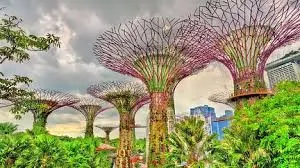
Blending nature with urban living
Equally impressive are Singapore’s sky gardens, elevated parks, and terraces that bring green sanctuaries into the heart of urban towers. Instead of limiting greenery to ground level, these gardens rise into the city’s vertical spaces, offering residents and visitors lush retreats surrounded by tropical vegetation. The PARKROYAL on Pickering is a leading example, with over fifteen thousand square meters of gardens flowing across its terraces. However, these gardens are not simply decorative features, as they are working systems that improve the quality of urban life. They absorb rainwater to reduce flooding, cool the air around them to soften the urban heat island effect, and provide places for relaxation, exercise, and social connection. For city dwellers surrounded by noise and concrete, the presence of a green refuge in the sky restores both physical health and mental balance.
What sets Singapore apart is its treatment of nature, positioning it as essential infrastructure rather than as decoration. Planners, engineers, and architects treat greenery as an integral part of city design, integrating irrigation systems that recycle rainwater and designing towers that cool naturally through vegetation. Vertical forests and sky gardens illustrate how sustainability can become a foundation for development rather than an afterthought. These living structures are designed to function as more than buildings, functioning as ecosystems that breathe, cool, and sustain life. In doing so, they symbolize a new way of thinking about progress, one where growth is not measured only in terms of concrete and glass, but in terms of harmony between technology and the natural environment.
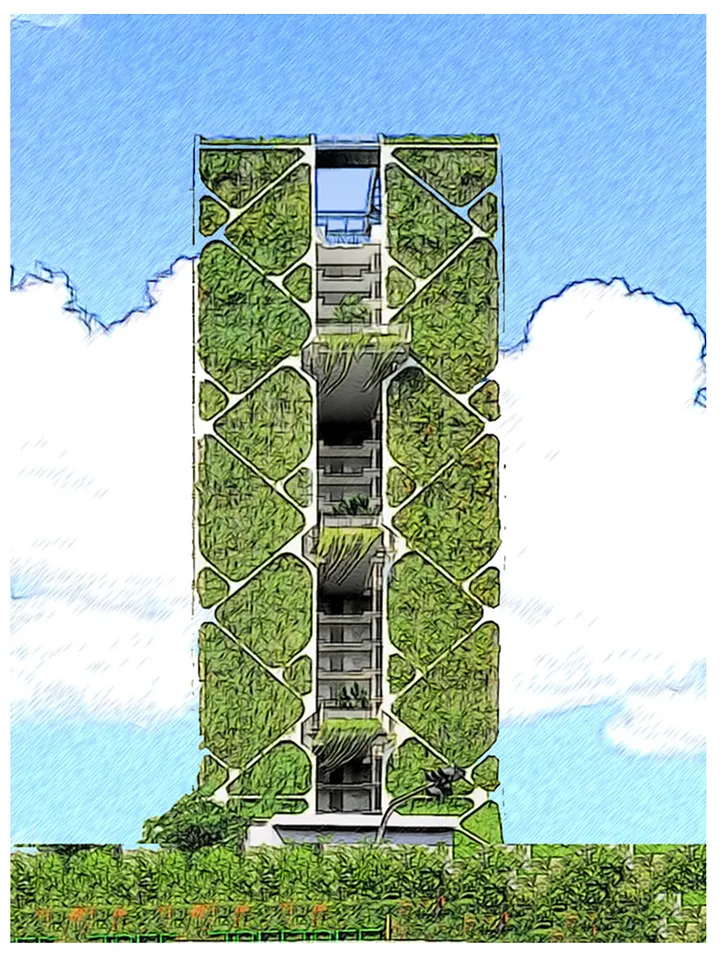 Greenery Covered Tall Building
The lessons from Singapore’s exposition on nature extend beyond its borders. Cities around the world face growing threats of climate change, including rising heat, exacerbated air quality, and increasingly volatile rainfall. At the same time, more people are moving into urban areas, making the need for sustainable solutions urgent. Singapore offers a compelling solution, showing that it is possible to expand upward without abandoning the growing green. Its vertical forests and sky gardens provide a clear model for how cities can remain livable, healthy, and resilient. By blending architecture with ecology, Singapore has proven that the future of cities does not demand the sacrifice of nature, and cities can be alive, sustainable, and teeming with vibrant ecosystems.
Author: Amy Nangia
Editor: Sahasra Rajesh
Stay updated and active by following the Environmental Defense Initiative on Medium and our social media platforms!
🔹 Instagram 🔹 Youtube 🔹 Tiktok
References: